Skip to content

Color timing, also known as color grading, is a crucial process in filmmaking that involves adjusting the colors of footage to enhance its visual appeal and emotional impact. This process can significantly influence the mood and atmosphere of a film, guiding audience emotions and highlighting narrative elements.
Understanding Color Timing
Color timing is the adjustment of colors in post-production to create a consistent look and feel throughout the film. It corrects color imbalances, enhances specific tones, and adds artistic effects. By manipulating colors, filmmakers can evoke specific emotions and moods, such as warmth, coldness, nostalgia, or tension.
Impact on Mood and Atmosphere
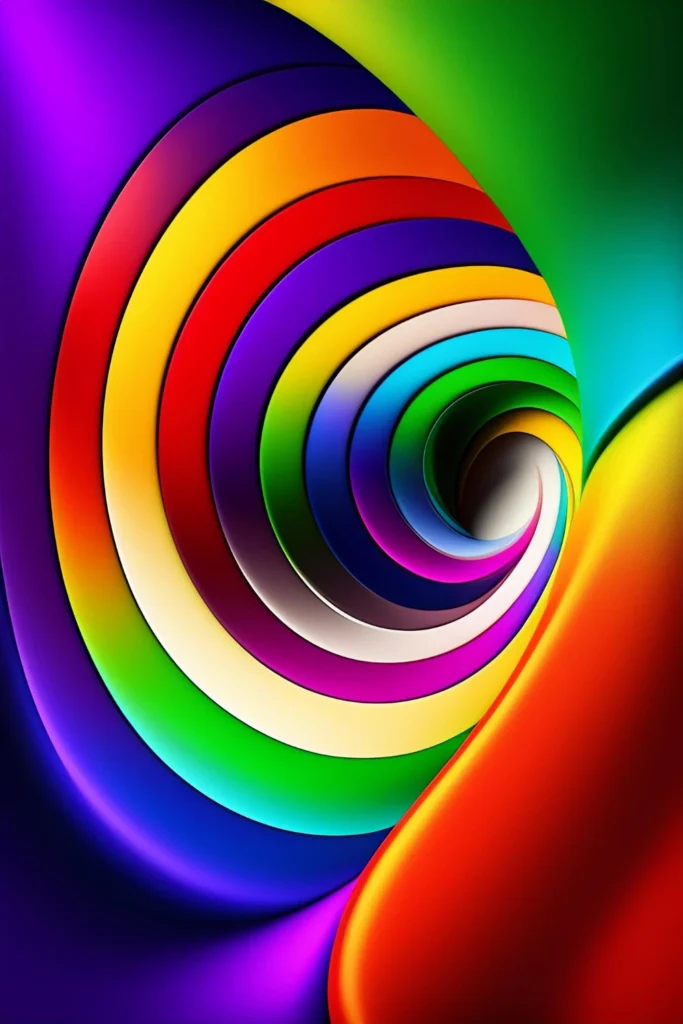
The choice of color palette can transform a film’s atmosphere. Warm colors like reds, oranges, and yellows often evoke feelings of warmth, comfort, and passion, while cool colors like blues and greens can create a sense of calm, sadness, or eeriness. Neutral tones and desaturated colors can give a more realistic or gritty feel, often used in dramas or thrillers.
Examples from Genery
Using Genery, filmmakers can study and replicate the color techniques used in successful films. For instance, the vibrant, saturated colors in Wes Anderson’s films create a whimsical and stylized world, while the desaturated, muted tones in war films like “Saving Private Ryan” enhance the realism and somber mood.
Genery provides a vast library of movie frames and color palettes, allowing filmmakers to analyze and apply different color timing techniques. By referencing these examples, filmmakers can experiment with various looks and find the perfect color scheme for their projects.
The Technical Process
Color timing involves several technical steps
- Primary Color Correction: Adjusting the overall color balance to ensure consistent lighting and exposure.
- Secondary Color Correction: Fine-tuning specific areas or elements within the frame, such as skin tones or backgrounds.
- Creating the Look: Applying creative adjustments to achieve the desired aesthetic, using tools like LUTs (Look-Up Tables) and color wheels.
Mastering Color Timing with Genery
Color timing is a powerful tool that shapes the visual and emotional tone of a film. By understanding and applying color timing techniques, filmmakers can create visually stunning and emotionally resonant works. Genery offers a wealth of resources and examples to help filmmakers master this art. By studying and experimenting with different color palettes and techniques, filmmakers can enhance their storytelling and bring their cinematic visions to life.
For more detailed insights and examples of color timing, visit the Genery.