Find comprehensive updates, reviews, tutorials, and insights on the latest advances in imaging technology, information on the latest equipment and changing trends, and expert advice.
Why do we always know who is looking at whom? A tutorial on the invisible grammar of coverage: the axis of action, eyeline matches, screen direction, and how blocking a scene decides where the camera can go, with examples from His Girl Friday and Buster Keaton.
Key, fill and back light are the first lesson in every film course and the last thing most viewers ever notice. A tutorial on reading light on screen, from the textbook setup to Gregg Toland's deep-focus, low-ceilinged, half-dark world in Citizen Kane.
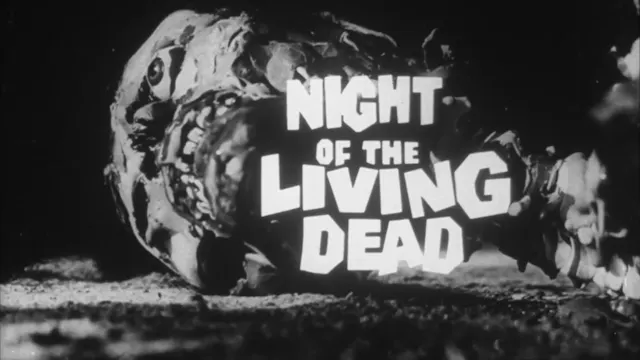
George A. Romero's 1968 debut was shot on weekends near Pittsburgh with chocolate syrup for blood and a farmhouse slated for demolition. A Halloween look at how its limitations became its style, why the casting of Duane Jones changed the film, and how a missing copyright notice made it everyone's.
Children of Men premiered at Venice in September 2006 and its unbroken sequences are still the benchmark. What a long take actually does to an audience, how the great ones were made, and why the most convincing of them are not really one shot at all.
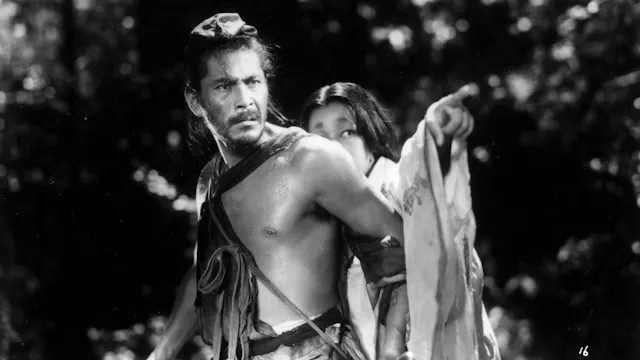
Rashomon is remembered for its idea, four accounts of one crime that cannot all be true. It deserves to be remembered for its images: Kazuo Miyagawa's sun through the forest canopy, ink-black rain at the gate, and a camera that moves as restlessly as the witnesses' stories.
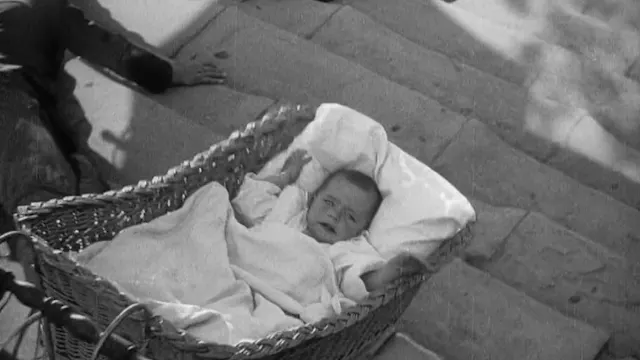
A century ago a handful of Soviet filmmakers decided that meaning in cinema lives between shots, not inside them. Here is what Kuleshov, Pudovkin and Eisenstein actually argued, how the Odessa Steps sequence works shot by shot, and why every editor still uses their ideas.
Fifty years after its release, Taxi Driver still teaches the same lesson: point of view is not a camera position but a whole grammar of glances, mirrors, slow motion, colour and sound. A close look at how the film puts us inside Travis Bickle's head.
A practical method for taking a scene apart: three viewings, a shot map, and a set of questions about framing, light, cutting, sound and blocking that turn a vague impression into an argument you can defend.
Christopher Nolan, born on July 30, 1970, in London, England, has become one of the most influential filmmakers of his generation. Known for his complex narratives and innovative storytelling techniques, Nolan’s films often explore themes of time, memory, and reality. He began his career with indie films like “Following” (1998) and gained international acclaim with…
Costume design in film plays a crucial role in character development, setting the tone, and enhancing the narrative. Through Genery’s extensive library of movie frames and advanced AI tools, costume designers can draw inspiration from iconic films, ensuring their wardrobe choices are impactful and resonant. Here’s an in-depth look at how Genery can help in…
Color timing, also known as color grading, is a crucial process in filmmaking that involves adjusting the colors of footage to enhance its visual appeal and emotional impact. This process can significantly influence the mood and atmosphere of a film, guiding audience emotions and highlighting narrative elements. Understanding Color Timing Color timing is the adjustment…
Camera movements are a crucial storytelling tool in filmmaking, adding emotional depth and dynamic visual interest. Genery provides an excellent platform to study and understand these movements through a vast library of movie stills. Here are five essential camera movements and their emotional impacts, illustrated with Genery references. Dolly In/Out A dolly movement involves the…