From the Lido to the Shortlists: How the Fall Festival Circuit Shapes Awards Season
Venice, Telluride, Toronto and New York occupy six weeks of late summer and early autumn, and by the time they end most of the year's awards conversation has been decided. A look at how the circuit works, why the order of the festivals matters, and what the 2026 editions of Venice and Toronto told us.
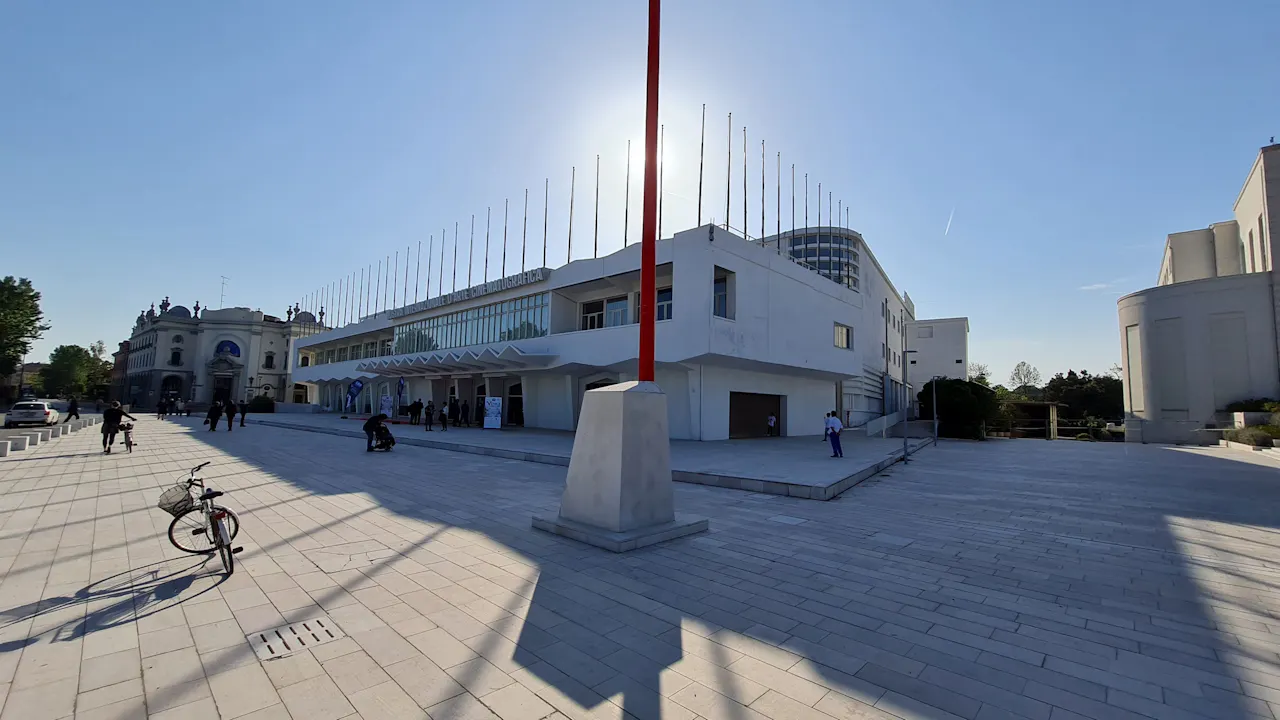
Every year around the end of August the same migration begins. Critics, programmers, sales agents and publicists fly to the Venice Lido, then to a former mining town in the Colorado mountains, then to Toronto, then to New York. Six weeks later most of the films that will dominate the winter's awards conversation have been seen, reviewed, bought and positioned, and the ones that stumbled have quietly rewritten their release plans. This piece explains how that machine works, why the calendar is arranged the way it is, and what the 2026 editions of Venice and Toronto, both now over, added to the picture.
Why the autumn
The logic is the calendar of the major awards. Nominations for the big prizes are voted on in the winter; a film that premieres in September has three or four months to build a reputation, secure distribution, open in cinemas and be seen by voters, without so long a gap that it is forgotten. A film that premieres at Cannes in May has to sustain attention for eight months, which is expensive; a film that premieres in December has weeks. Autumn is the sweet spot, and the festivals that occupy it have become the launch pads.
The four that matter most are Venice (late August to early September), Telluride (Labor Day weekend), Toronto (early to mid September) and New York (late September into October). They are not interchangeable, and a film's team chooses among them carefully.
Venice: the world premiere and the photograph
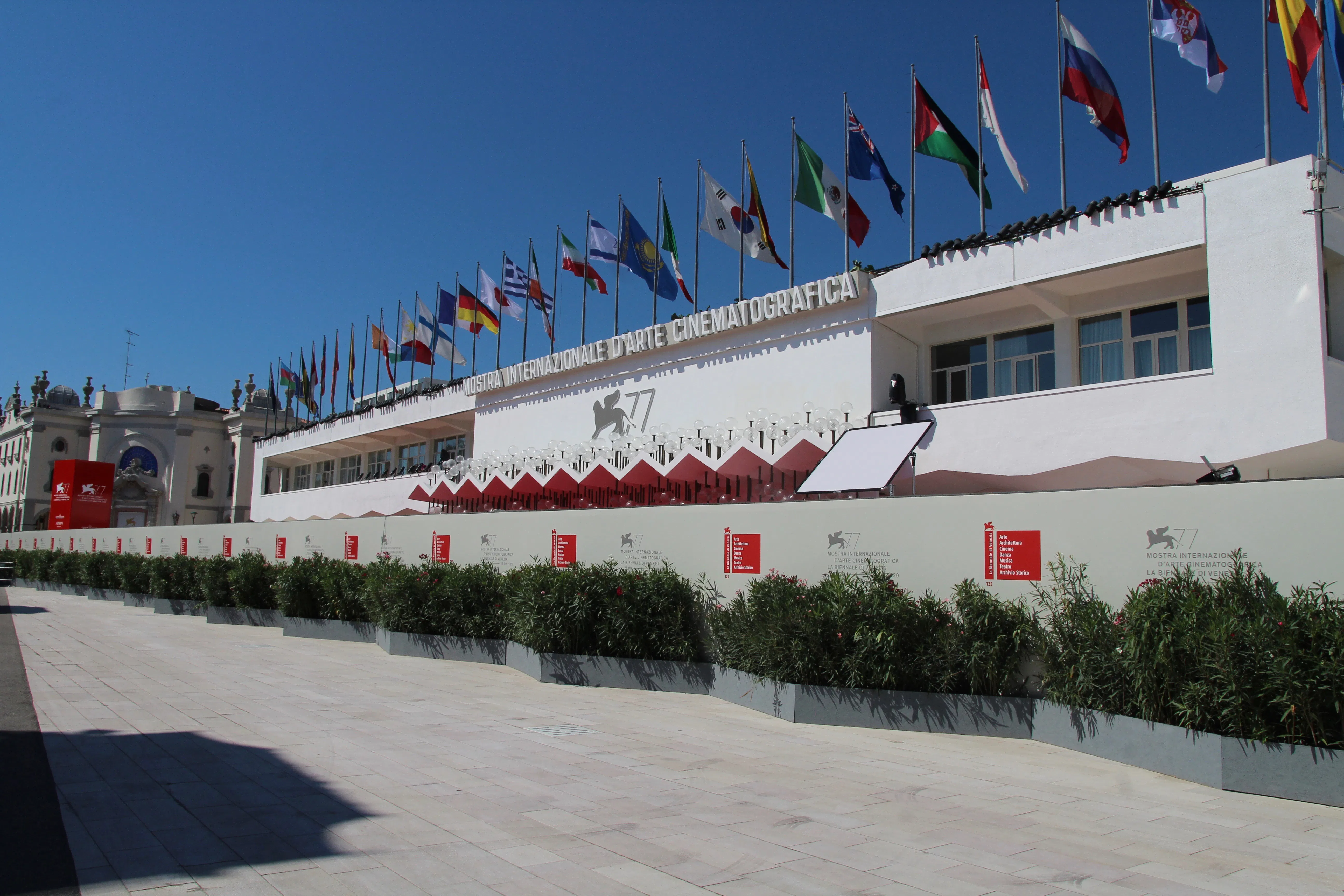
The oldest film festival in the world is also, in the past fifteen years, the one that has most reliably launched awards-season front-runners. Venice offers a competition with a jury and prizes, a European cultural stamp, and a red carpet on a lagoon that produces the photographs studios want. Its main disadvantage is geographical: American audiences and many American critics are not there, and a film that opens at Venice usually needs a North American stop soon after.
The 83rd edition ran from 2 to 12 September 2026 with Maggie Gyllenhaal as president of the competition jury. The Golden Lion went to May el-Toukhy's Woman Unknown, and the Grand Jury Prize to Lee Chang-dong's Possible Love, his first feature in eight years. The Volpi Cups for acting were shared between Mathilde Arcel and John Malkovich, the latter for Wild Horse Nine, and the screenplay award went to A Good Little Soldier. Danny Boyle's Ink opened the festival and God Laughs closed it. Lifetime achievement Golden Lions were presented to Ellen Burstyn and George Clooney.
What to watch for: how many of those titles reappear in the winter. Venice winners do not automatically become awards favourites, but the festival's recent record of launching eventual Best Picture nominees is strong enough that sales agents now treat a competition slot as a statement of intent.
Telluride: the quiet consensus
Telluride is the odd one out. It is small, expensive to attend, keeps its programme secret until the day before it begins, and gives no prizes. Yet it has an outsized influence, because its audience is disproportionately made up of the people who write about and vote on films. A film that plays well in the thin mountain air over Labor Day weekend arrives in Toronto a few days later with a reputation already formed. Titles frequently play Venice and Telluride within the same week, and the Telluride "sneak" of a Venice competition film has become a standard move.
Toronto: the audience and the market
The Toronto International Film Festival is the biggest of the four and the most public. Its defining award is not a jury prize but the People's Choice Award, voted on by the general audience, and its record as a predictor of eventual Best Picture nominees is the best of any single prize on the circuit. Toronto is also where a great deal of buying happens, and the 51st edition, from 10 to 20 September 2026, formalised that with a new official film market alongside the screenings.
This year the festival opened with Sian Heder's Being Heumann, about the disability-rights activist Judith Heumann. The People's Choice Award went to La bola negra, directed by Javier Calvo and Javier Ambrossi, with Peter Farrelly's I Play Rocky and Being Heumann as runners-up. The Platform Prize, for the festival's juried section of directorial vision, went to Theja Rio's Angh.
A People's Choice win for a Spanish-language film is a useful reminder that the Toronto audience is not simply a proxy for awards voters; it is broader, and sometimes ahead of them. Whether La bola negra converts its Toronto reception into a winter campaign will depend on distribution and on how the international categories shake out, but its win puts it firmly in the conversation.
New York: the critics' festival
The New York Film Festival is the last stop and the most curatorial. It has no competition and no market, a small selection chosen by a committee, and a base at Lincoln Center that puts it in front of the American critical establishment. Films that have already premiered in Venice and Toronto use it as a New York launch; a handful of films are held back to premiere there, and those tend to be either prestige studio titles seeking a "serious" frame or auteur films whose backers want reviews from the critics who matter most.
How the pieces fit
- Premiere placement is a strategy. A team weighs Venice's prestige and photographs against Toronto's audience and market, and often does both, with Telluride in between. A film that skips the circuit entirely is making a statement, usually that it does not need the help, sometimes that it fears the reviews.
- The first review sets the frame. Because the same critics move from festival to festival, the tone of a film's first screening tends to follow it. A tepid Venice reception can be reversed in Toronto, but it is hard work.
- Sales close during the circuit. Independent films without a distributor arrive hoping to leave with one, and the buying frenzy at Toronto is where a $5 million film becomes a $20 million campaign or goes home.
- The narrative hardens by October. By the time New York closes, the trade press has a working list of contenders, the studios have committed their campaign budgets, and the films that did not get traction have moved their releases to the spring.
What it does to the films
There is a critical view that the circuit distorts what gets made. Films are increasingly written, cast and edited with a September premiere in mind, and a certain kind of mid-length, serious-minded, star-led drama is over-represented because it plays well to a festival audience and a winter voter. The counter-argument is that the circuit is also where small films from anywhere in the world get their one chance at a global audience, and that a People's Choice Award for a Spanish film or a Grand Jury Prize for a Korean one is exactly what that system, at its best, produces.
Both are true. The festival circuit is a marketplace with prizes attached, and a cultural institution with a marketplace attached, and which of those you see depends on where you are standing on the Lido.
Reading the rest of the season
For a viewer who wants to follow the awards conversation without the trade press, the circuit offers a simple method. Note the Venice competition and its winners. Note the Telluride line-up when it is announced. Note the Toronto People's Choice winner and its runners-up. Note what New York chose to premiere. Then watch the release calendar: the films that open in cinemas between late October and Christmas, in a slow expansion from a few screens to many, are the ones their distributors believe in. The circuit does not decide who wins in the winter. It decides who gets to compete.


