Skip to content
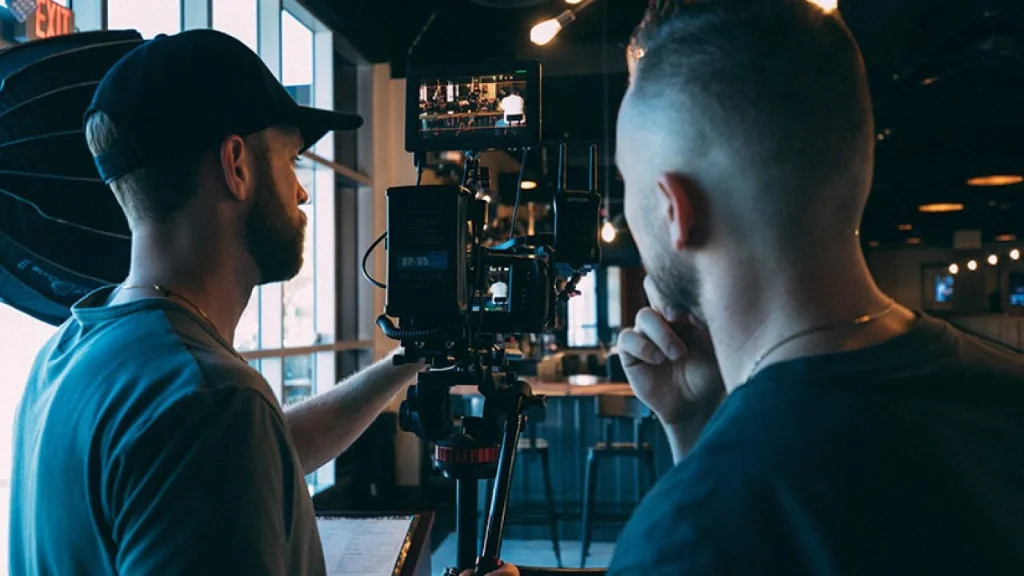
Camera movements are a crucial storytelling tool in filmmaking, adding emotional depth and dynamic visual interest. Genery provides an excellent platform to study and understand these movements through a vast library of movie stills. Here are five essential camera movements and their emotional impacts, illustrated with Genery references.
- Dolly In/Out
A dolly movement involves the camera moving closer to or further from the subject. This movement can create a sense of intimacy or emphasize a dramatic reveal.
Example: In “Vertigo,” Alfred Hitchcock uses a dolly zoom to create a disorienting effect that mirrors the protagonist’s anxiety.
- Tracking Shot
A tracking shot follows the subject, maintaining a constant distance. It is often used to immerse the audience in the action, creating a sense of continuity and movement.
Example: Martin Scorsese’s “Goodfellas” features a famous tracking shot through the Copacabana, immersing the audience in the bustling environment.
- Crane Shot
A crane shot moves the camera vertically, often starting from a high angle and moving down, or vice versa. This movement can convey grandeur, isolation, or transition between scenes.
Example: The opening sequence of “La La Land” uses a crane shot to transition from an aerial view to the bustling highway below, setting the stage for the film’s vibrant energy.
- Handheld Camera
Handheld camera movements add a sense of realism and urgency, often used in action sequences or to convey a character’s emotional instability.
Example: In “Saving Private Ryan,” Steven Spielberg uses handheld shots during the D-Day landing to immerse the audience in the chaos and intensity of battle.
- Pan and Tilt
Panning involves moving the camera horizontally, while tilting moves it vertically. These movements can reveal new information, follow action, or create a sense of scale.
Example: In “The Grand Budapest Hotel,” Wes Anderson’s precise pans and tilts contribute to the film’s whimsical and meticulously structured aesthetic.
Enhancing Filmmaking with Genery
Understanding and utilizing camera movements effectively can significantly enhance the emotional and visual impact of a film. By studying iconic examples on Genery, filmmakers can gain deeper insights into how these techniques are used to tell compelling stories. Genery’s extensive library provides a wealth of visual references that can inspire and guide filmmakers in their creative process.
Whether it’s the tension of a dolly zoom, the immersive quality of a tracking shot, the grandeur of a crane shot, the realism of handheld footage, or the structured elegance of pans and tilts, Genery offers the tools to explore and master these essential movements. By integrating these insights into their work, filmmakers can elevate their storytelling, creating films that resonate deeply with audiences.
For more detailed insights and to explore the full potential of Genery, visit the Genery.